Home Food & Drink
Category:

Food & Drink

Advertisement

Seasonal foods in the UK reflect the country’s climate, agricultural heritage, and culinary traditions. Each season brings a variety of fruits, vegetables, and local products that influence menus in cafés, restaurants, and homes. Exploring seasonal offerings allows visitors to enjoy ingredients at their peak freshness and taste, while also gaining insight into how local cuisine adapts throughout the year. From spring asparagus to winter root vegetables, each period offers unique flavors and culinary experiences.

Spring in the UK brings a variety of fresh greens and early harvests. Asparagus, rhubarb, and new potatoes feature prominently in seasonal dishes. Farmers’ markets and specialty shops offer local produce, allowing visitors to taste ingredients at their freshest. Spring menus often combine traditional British recipes with creative twists, incorporating herbs and flowers that reflect the season’s renewal and vibrancy.

Summer is synonymous with berries, salads, and fresh seafood. Strawberries, raspberries, and cherries are widely available, often featured in desserts, jams, and beverages. Coastal towns provide access to freshly caught fish and shellfish, which are highlighted in local restaurants and markets. Summer festivals also showcase seasonal produce, with street stalls offering pies, tarts, and other delicacies that emphasize freshness and flavor.


Pages: 1 2

Advertisement

Street food and local markets in the UK have seen a resurgence in recent years, offering travelers a chance to explore regional flavors in casual settings. From bustling city markets to weekend food festivals, vendors provide dishes that reflect local ingredients, seasonal produce, and culinary creativity. Visiting these markets allows tourists to enjoy authentic food experiences, sample new flavors, and interact with passionate local sellers who are often eager to share the story behind their dishes.

London is a prime destination for street food, with markets such as Borough Market and Camden Market attracting both locals and tourists. Here, traditional British fare sits alongside international influences, offering everything from gourmet pies to artisan cheeses. Walking through the stalls provides not only a culinary journey but also an opportunity to learn about the history of certain foods and meet producers who take pride in their craft.

In Northern England, cities like Manchester and Leeds host thriving food markets featuring both local and imported ingredients. Fresh seafood, regional cheeses, baked goods, and seasonal produce allow visitors to sample tastes unique to each area. Many vendors emphasize sustainability and locally sourced ingredients, offering an experience that is both flavorful and conscientious. These markets often include live cooking demonstrations, making them interactive and engaging for visitors of all ages.

Pages: 1 2

Advertisement

The UK boasts a wide variety of drinks, ranging from traditional teas to locally brewed beers and spirits. Each region offers beverages that reflect local tastes, production methods, and historical influences. Sampling these drinks allows visitors to connect with regional culture and discover flavors unique to different parts of the country. From cozy tearooms to bustling pubs, drinks play an integral role in British social life and culinary traditions.

Tea remains one of Britain’s most enduring beverages. Traditionally served black with milk and sometimes sugar, tea is a daily ritual for many. Afternoon tea, often accompanied by sandwiches, scones, and pastries, is a celebrated social experience in both cities and countryside settings. Regional variations may include specialty blends or herbal infusions that highlight local herbs and flowers, providing visitors with both classic and contemporary options.

Beer and ales are central to British pub culture, with countless local breweries producing a wide range of flavors. England’s real ales, often brewed using traditional methods, emphasize taste and quality. Pubs provide a welcoming atmosphere to sample these beverages alongside local dishes. Seasonal brews and craft varieties allow enthusiasts to explore evolving trends while staying connected to longstanding brewing traditions.

Pages: 1 2

Advertisement

British desserts and sweets have a long-standing reputation for creativity and heartiness, often reflecting the country’s history and regional ingredients. From rich puddings to delicate pastries, the variety offers something for every palate. Traditional recipes have been passed down through generations, and many are still prepared in local homes and specialty bakeries. Exploring British desserts allows travelers to experience flavors that are deeply rooted in culture while also enjoying contemporary twists offered by modern chefs.

One of the most celebrated desserts is the classic sticky toffee pudding. This warm sponge cake, often served with a rich toffee sauce and cream or custard, is particularly popular in England. Its dense, moist texture and sweet sauce make it a comforting choice, frequently enjoyed in cafés, restaurants, and homes alike. Seasonal variations may include the addition of fruits or nuts, enhancing the flavor and offering new experiences to those familiar with the dish.

Another iconic option is the treacle sponge pudding, traditionally steamed to create a light and fluffy texture. This dessert features a golden syrup base that adds sweetness and depth of flavor. Often served with custard, treacle sponge highlights the use of simple ingredients transformed into a memorable culinary experience. Its preparation methods and serving styles can vary across regions, showcasing the versatility of traditional British desserts.

Pages: 1 2

Advertisement

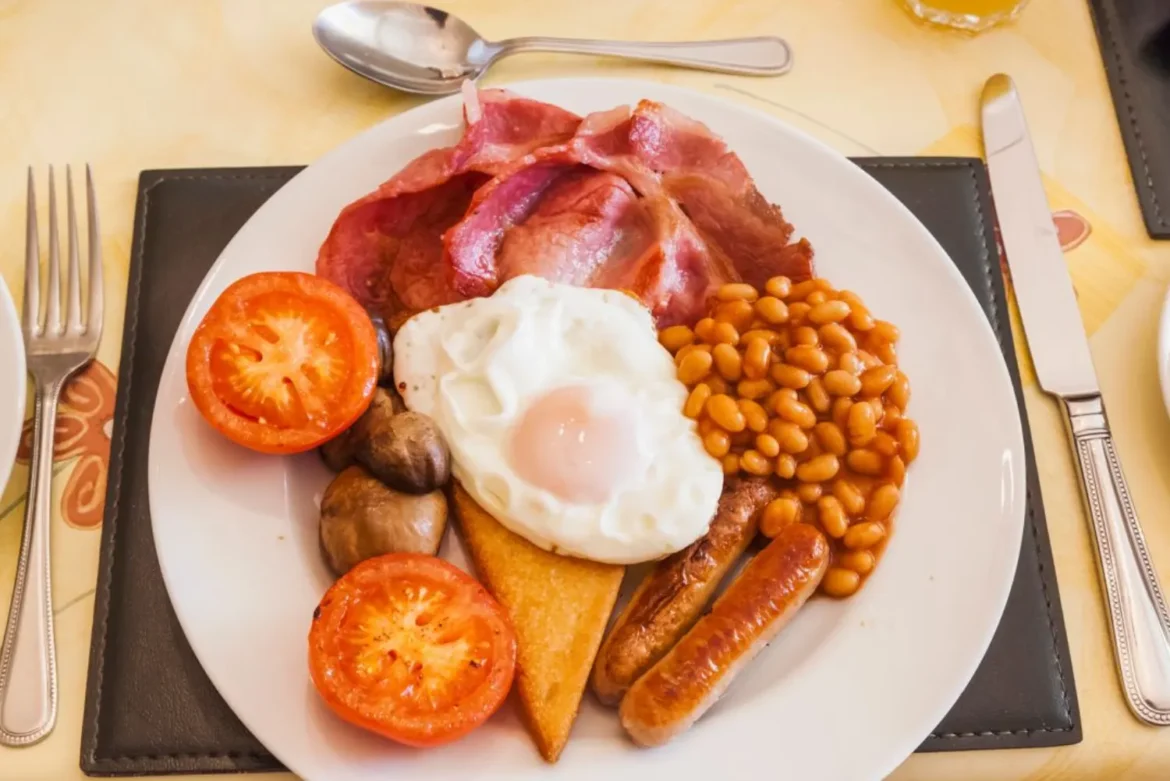
Breakfast in the UK is more than just a meal; it is a cultural experience that varies across regions. Traditional dishes often feature a combination of eggs, bacon, sausages, beans, and toast, but local variations add unique flavors and ingredients. Many cafés and restaurants take pride in serving hearty breakfasts that showcase regional produce and culinary traditions. From urban cafés to countryside inns, experiencing a British breakfast offers insight into daily life and local tastes.

In England, the classic “Full English” breakfast is widely celebrated. Typically served with fried eggs, bacon, sausages, grilled tomatoes, mushrooms, and baked beans, it often comes with toast or fried bread. Black pudding, a type of blood sausage, is included in some areas and reflects local culinary heritage. Pairing the meal with tea or coffee completes the traditional experience, providing both nourishment and a moment of social connection.

Scotland offers its own variations, with the “Full Scottish” breakfast including similar staples but often featuring haggis, tattie scones, and oatcakes. Regional ingredients reflect Scotland’s agricultural history, and meals are frequently accompanied by local preserves or oat-based breads. Many Scottish cafés also serve lighter options, such as porridge with honey or fresh fruit, allowing visitors to experience both hearty and simple breakfasts depending on preference.

Pages: 1 2

Advertisement

Disclaimer

This site is not intended to diagnose. Results may vary. This information is not a direct recommendation and should not be construed as such. It is not a substitute for personal consultation or examination by an authorized professional. Consult a professional before taking supplements. The information provided should be used as a permanent lifestyle recommendation and does not replace a varied and balanced diet.

Contact information

Canalocchi LTD

44 Shakespeare Ave, Arnos Grove, London N11 1AY, United Kingdom

+442083613853

info@canalocchi.com